2007 World Cup: Redemption in France
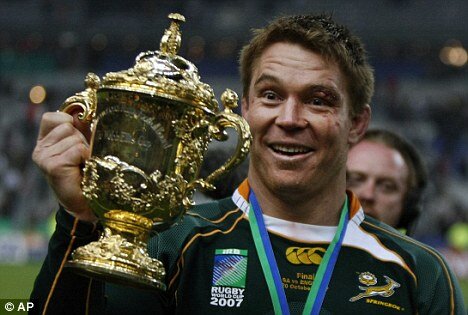
After years of underachievement following their 1995 triumph, the Springboks reclaimed their position at the summit of world rugby with a dominant World Cup victory in France. The 2007 campaign showcased the traditional South African strengths—forward power, defensive solidity, and tactical discipline—executed with ruthless efficiency under coach Jake White's guidance. The victory represented redemption for a rugby nation that had endured frustrating years of near-misses and quarterfinal exits.
Building the Campaign
Coach Jake White constructed a team around proven strengths while addressing previous weaknesses. The forward pack, featuring players like John Smit, Bakkies Botha, and Victor Matfield, provided the physical foundation. Behind them, a backline led by Butch James emphasized territory and pressure over flashy attack. This pragmatic approach recognized that World Cups are won through defense and forward dominance, not expansive rugby that risks turnovers.
The pool stages saw controlled performances that conserved energy while securing crucial bonus points. The team's discipline impressed, with minimal penalty concessions allowing them to control matches without conceding easy points. This tactical maturity suggested a team that understood how to peak at the right moments rather than burn out in early rounds.
Knockout Brilliance
The quarterfinal against Fiji tested the Springboks' composure against an unpredictable opponent. The Pacific Islanders' offloading and running threatened to expose any defensive lapses, but South Africa maintained structural discipline throughout. The victory demonstrated their ability to handle different tactical challenges while staying true to their game plan—a crucial quality for tournament success.
The semifinal against Argentina showcased forward dominance at its finest. The Pumas, having shocked everyone by reaching the final four, found themselves overwhelmed by superior physicality. The Springbok pack dominated every set piece, creating a platform for territorial kicking that pinned Argentina deep in their own half. The comfortable victory sent a message to the remaining teams about South African form.
The Final
The final against England became a defensive masterclass. Both teams prioritized not losing over winning spectacularly, creating a tense, low-scoring affair. The Springboks' defensive system nullified England's limited attacking threats while their own kicking game controlled territory. Percy Montgomery's goal-kicking proved decisive, converting penalties into points that England could not match.
The 15-6 scoreline reflected the match's attritional nature. Neither team scored a try, with the result determined by goal-kicking accuracy and defensive solidity. For South African rugby, this didn't matter—World Cups require winning, not aesthetics. The victory validated the tactical approach and proved that traditional Springbok rugby could still succeed at the highest level in the professional era.
Impact on South African Rugby
The 2007 victory restored confidence in South African rugby's direction. The intervening years since 1995 had seen inconsistent performances and coaching instability. This second World Cup title proved that proper preparation, tactical clarity, and commitment to traditional strengths could deliver success. The validation encouraged future teams to embrace South African rugby identity rather than imitating other nations' approaches.
The campaign also demonstrated how a transformed team could succeed at the highest level. The squad featured players from diverse backgrounds united in common purpose, showing that South African rugby could be both competitive and representative. This balance between sporting excellence and social transformation continues informing team selection and development.
Individual Performances
Several players enhanced their legends through 2007 performances. John Smit's captaincy combined tactical awareness with inspiring leadership. Bryan Habana's try-scoring, including his memorable semifinal performance, showcased South Africa's attacking threat despite their conservative reputation. Victor Matfield's lineout mastery provided the set-piece platform upon which forward dominance was built.
The tournament also launched careers that would define the next era of Springbok rugby. Young players gained invaluable experience that would serve them in future campaigns, creating continuity between World Cup cycles. This blend of experience and youth proved optimal for tournament success while planning for future competitiveness.
Tactical Lessons
The 2007 campaign reinforced several tactical lessons that subsequent Springbok teams have internalized. Forward dominance creates the platform for all success. Territorial control proves more reliable than possession-based approaches. Defensive excellence wins tight matches when attacking flair falters. These principles, demonstrated in France, continue guiding South African rugby philosophy.