Jacques Nienaber: The Defensive Mastermind
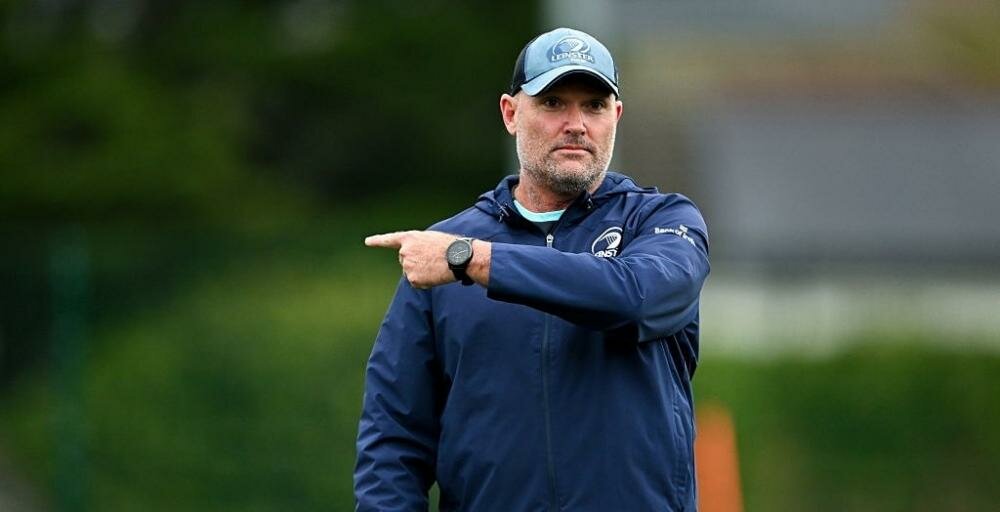
Jacques Nienaber's defensive strategies have made the Springboks one of the hardest teams to break down in international rugby. His tactical innovations, attention to detail, and ability to prepare players for every scenario have set new standards in defensive coaching. From his background as a physiotherapist to becoming head coach, Nienaber's journey demonstrates how deep technical knowledge combined with innovative thinking creates rugby excellence.
Building the Defensive System
Nienaber's defensive philosophy emphasizes line speed, physicality, and intelligent positioning. Players are drilled to move forward quickly on opposition ball, closing down space before attacks can develop momentum. This aggressive approach requires exceptional fitness and discipline, as mistimed rushes create defensive gaps that elite teams exploit ruthlessly.
The system integrates sophisticated pattern recognition, training players to identify opponent attacking structures and respond appropriately. Defenders learn to read cues from opponent positioning and body language, anticipating plays before they develop. This proactive defense forces errors and creates turnovers, turning defense into attack-launching platforms. According to Rugby Pass defensive statistics, Springbok tackle success rates under Nienaber consistently rank among international rugby's best.
Partnership with Erasmus
Nienaber's long partnership with Rassie Erasmus has been central to Springbok success. The two worked together at the Stormers, Munster, and eventually the national team, developing a working relationship built on mutual trust and complementary skillsets. While Erasmus focused on overall strategy and team culture, Nienaber refined the defensive details that became the team's foundation.
Their collaboration created a seamless coaching environment where defensive and attacking strategies integrated perfectly. The territory-based game plan relies on defensive solidity to maintain field position advantages. Nienaber's defensive systems provided the platform for this strategic approach, ensuring opposition rarely threaten from deep in their own territory.
2019 World Cup Success
The 2019 World Cup showcased Nienaber's defensive coaching at its finest. Throughout the tournament, the Springboks conceded the fewest points of any team, demonstrating defensive excellence across seven matches. The final against England saw the defensive system completely neutralize one of the tournament's most potent attacks, holding them scoreless in tries.
The preparation for that final exemplified Nienaber's approach—meticulous video analysis, identifying opponent tendencies, and drilling defensive patterns until they became instinctive. Players knew exactly what England would attempt and had rehearsed responses for every scenario. This preparation level creates confidence that players can execute under ultimate pressure.
Transition to Head Coach
When Nienaber succeeded Erasmus as head coach in 2021, questions arose about his readiness for the top role. His coaching experience had been primarily as a specialist rather than head coach, leading some to doubt his capability to manage all aspects of team preparation. Nienaber silenced skeptics quickly, maintaining the standards established under Erasmus while adding his own innovations.
His head coaching philosophy emphasizes collective responsibility and player empowerment. Rather than dictating every decision, he encourages players to think critically about game situations and make appropriate choices. This approach develops rugby intelligence throughout the squad, creating depth of tactical understanding that proves valuable when game plans require mid-match adjustments.
Innovation and Adaptation
Nienaber continues evolving defensive strategies as opponents develop counters. His willingness to adapt prevents the system from becoming predictable or stale. Recent innovations include varied line-speed approaches that mix aggression with drift defense, creating uncertainty for opposition playmakers who cannot predict defensive patterns reliably.
His use of technology and data analytics informs coaching decisions. Video analysis identifies opponent weaknesses that the team can exploit, while performance data tracks defensive metrics across matches. This evidence-based approach ensures coaching interventions target areas needing improvement, maximizing preparation efficiency and effectiveness.
Player Development
Under Nienaber's coaching, players develop comprehensive defensive skillsets rather than just physical capabilities. He emphasizes decision-making, communication, and situational awareness alongside tackling technique. This holistic approach creates defenders who understand not just how to tackle but when and where tackles need to occur.
His relationship with players like Siya Kolisi and Eben Etzebeth reflects mutual respect built through successful collaboration. Players trust his systems because they consistently work, creating buy-in that ensures full commitment to defensive plans. This trust proves crucial when matches become difficult and players must execute under extreme pressure.
Legacy and Future
Nienaber's impact on South African rugby extends beyond immediate match results. He has established defensive standards that will influence Springbok rugby for generations. Future coaches will build upon the foundations he created, adapting his principles to new eras while maintaining the core emphasis on defensive excellence that defines South African rugby identity.
His success proves that specialist coaches can transition successfully to head coaching roles when they possess the right combination of technical knowledge, leadership ability, and strategic vision. This career trajectory may encourage other specialist coaches to pursue head coaching opportunities, enriching the coaching talent pool across international rugby.