The Art of the Kicking Game
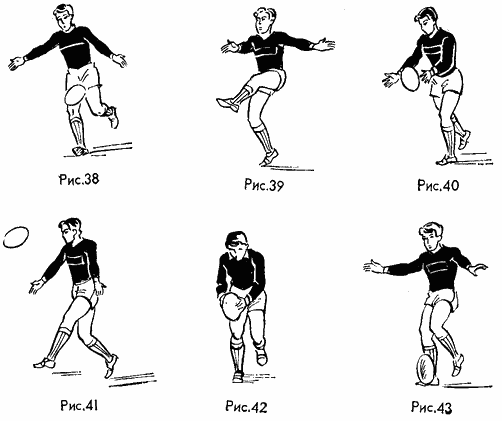
The Springboks' tactical kicking game has become one of their most effective weapons, controlling territory and applying pressure on opponents. The variety and precision of kicks executed by Handre Pollard, Faf de Klerk, and other backs create multiple challenges that opponents must address simultaneously. This multi-faceted kicking approach supports the broader territorial strategy while creating scoring opportunities.
Types of Kicks
Box kicks from scrumhalf create contestable possession in opponent territory. The height and hang time allow chasers to challenge for ball, creating turnover opportunities. Touch finders relieve pressure and establish lineouts in advantageous positions. Cross-field kicks target isolated defenders, creating try-scoring chances. Grubber kicks exploit space behind defensive lines. This variety prevents defensive predictability.
Chase and Pressure
Effective kicking requires excellent chase lines that apply pressure on receivers. Players like Cheslin Kolbe excel at chasing kicks, using speed to close down space before receivers can clear effectively. This pressure forces errors or hurried clearances that maintain territorial advantage. The physical contest for high balls also demoralizes opponents through sustained pressure.
Strategic Application
Kicking decisions depend on field position, match situation, and weather conditions. Deep in own territory, relieving kicks prioritize distance over contest. In midfield, contestable kicks create turnover opportunities. Near opponent try lines, precision kicks into corners maximize territorial gain. This situational awareness ensures kicks deliver maximum tactical benefit.