Springboks vs All Blacks: The Greatest Rivalry
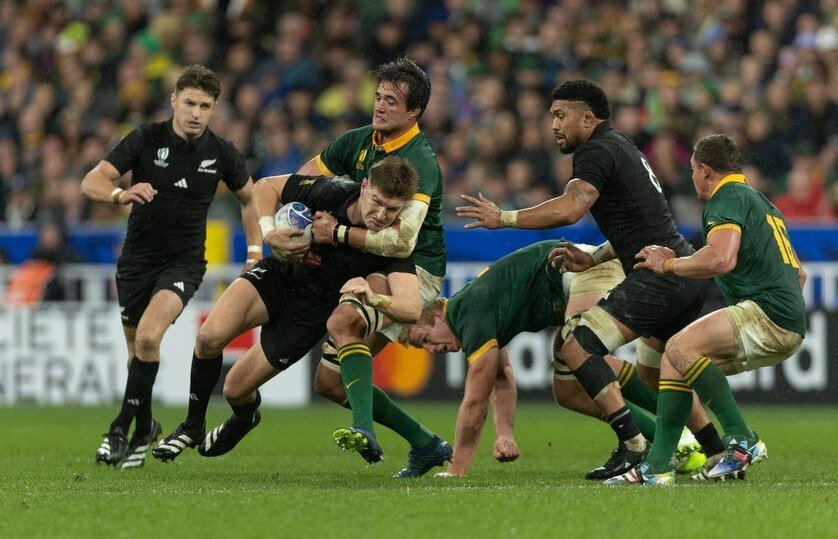
The rivalry between South Africa and New Zealand represents the pinnacle of international rugby, a clash of titans that has produced some of the most memorable matches in the sport's history. These two rugby superpowers have defined excellence in the game, with their encounters consistently showcasing the highest levels of skill, physicality, and tactical intelligence. The rivalry transcends sport, embodying national pride and cultural identity for both nations.
Historical Context
The first Test match between these nations took place in 1921, beginning a competitive relationship that would span over a century. From the earliest encounters, the matches were characterized by intense physicality and unwavering determination. Both countries developed rugby cultures that prioritized forward dominance and defensive solidity, creating stylistic similarities that make their clashes particularly compelling.
The rivalry was interrupted during South Africa's isolation years, creating a gap that only intensified the anticipation for future matches. When the Springboks returned to international rugby in the 1990s, renewed battles with the All Blacks quickly reestablished the fixture as rugby's premier contest. The mutual respect between the nations only heightened competitive intensity on the field.
Tactical Chess Match
Matches between these teams showcase tactical sophistication at the highest level. Both nations emphasize set piece excellence, creating chess-like battles in scrums and lineouts. The team that establishes set piece superiority typically controls territory and momentum, forcing opponents into reactive rather than proactive play.
The breakdown contest becomes particularly fierce in these encounters. Both teams employ aggressive counter-rucking and poaching strategies, creating turnovers that shift match momentum dramatically. According to Rugby Pass analysis, turnover rates in Springbok-All Black matches typically exceed those in matches against other opponents, reflecting the intensity of breakdown competition.
Contrasting Philosophies
While both teams prioritize forward dominance, their attacking philosophies have often differed. New Zealand traditionally emphasizes keeping ball in hand and playing at pace, using offloading and support play to create scoring opportunities. The Springboks have typically favored territory-based strategies, using kicks for field position before unleashing forward power in opposition territory.
These contrasting styles create fascinating tactical battles. All Black ball movement challenges Springbok defensive structures, testing their ability to maintain shape across multiple phases. Conversely, Springbok territorial kicking forces New Zealand to play from deep positions, limiting their attacking options and increasing error likelihood under pressure.
Memorable Encounters
The 1995 World Cup final stands as perhaps the most significant match in the rivalry's history. Played on home soil in Johannesburg, the Springboks' victory transcended sport, becoming a symbol of national unity. Joel Stransky's extra-time drop goal decided a match that showcased both teams' defensive excellence and mental resilience.
More recently, the 2019 World Cup pool match saw the Springboks dominate the All Blacks 23-13, a result that shook New Zealand rugby and foreshadowed South Africa's eventual tournament victory. The match demonstrated how Springbok defensive systems could neutralize even the most potent attacking threats when executed perfectly.
The Rugby Championship Battles
Annual Rugby Championship encounters ensure the rivalry remains vibrant. These matches often determine championship outcomes, raising stakes beyond individual match pride. Home advantage proves significant, with altitude in South African venues affecting visiting players while passionate home crowds in New Zealand create intimidating atmospheres.
The intensity of these annual contests has driven innovation in both teams. Coaching staffs study each other meticulously, developing specific strategies to counter opponent strengths. This tactical arms race benefits international rugby broadly, as innovations developed for this rivalry spread throughout the sport.
Physical Confrontation
The physical confrontation in these matches sets them apart from other international fixtures. Both teams embrace physical rugby, seeking to impose themselves through dominant tackles and powerful ball carries. The collision intensity from the first whistle to the last creates spectacles that captivate even casual sports fans.
Forward battles become wars of attrition, with neither pack willing to concede physical superiority. Scrum contests often become match-defining, as the team establishing dominance gains both tactical advantages and psychological edges. The willingness of both forward packs to engage in sustained physical battles creates drama that builds throughout matches.
Individual Brilliance
While team performance determines outcomes, individual brilliance has often illuminated these encounters. Players like Jonah Lomu, Richie McCaw, and Dan Carter for New Zealand; Joost van der Westhuizen, Bryan Habana, and Eben Etzebeth for South Africa have produced performances that become part of rugby folklore. These individual moments of excellence occur within team structures but elevate matches beyond tactical execution.
The competitive intensity brings out the best in elite players, who raise their performances for these occasions. Career-defining moments often occur in this fixture, as players recognize the significance of success against rugby's other superpower. This consistent quality makes the rivalry essential viewing for rugby enthusiasts worldwide.
Mutual Respect
Despite fierce on-field competition, mutual respect characterizes the relationship between these rugby nations. Players and coaches from both countries acknowledge the quality of their opponents, understanding that success in this fixture validates their own excellence. Post-match interactions typically display sportsmanship that reflects rugby's values even amidst intense competitive rivalry.
This respect extends to appreciation for what each team brings to world rugby. The All Blacks' attacking innovation and skill execution is admired in South Africa, while New Zealand respects Springbok forward power and defensive organization. This mutual recognition enhances the rivalry, as both teams strive to match and exceed their opponent's strengths.
Future of the Rivalry
The rivalry shows no signs of diminishing intensity. As rugby continues evolving, both nations adapt while maintaining their core identities. The emergence of new playing talent ensures future encounters will feature fresh faces expressing the same competitive spirit that has defined this fixture for over a century.
Global rugby benefits from this rivalry's continuation, as their matches provide benchmarks for excellence that other nations target. The tactical innovations, physical standards, and mental resilience displayed in these encounters drive improvement throughout international rugby. As long as both nations maintain their rugby cultures, this rivalry will continue defining the sport's highest standards.