Joel Stransky's Drop Goal: The Kick That United a Nation
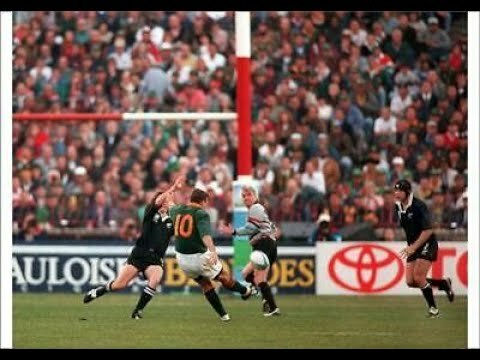
In extra time of the 1995 World Cup final, Joel Stransky's drop goal did more than win a rugby match—it helped unite a divided nation during a crucial moment in South African history. The kick itself was technically perfect, struck with his weaker right foot under immense pressure against the All Blacks at Ellis Park. When the ball sailed through the posts, 60,000 fans erupted in celebration that spread across the entire country.
The Moment
The match had been tightly contested throughout, with neither team able to establish dominance. When regulation time ended with scores level, extra time became inevitable. The tension was unbearable—for players, for fans in the stadium, and for millions watching across South Africa. Stransky had already kicked several penalties to keep the Springboks in contention, but this moment would define his career and South African rugby history.
The drop goal came from a set move designed specifically for high-pressure situations. Joost van der Westhuizen's pass from the ruck gave Stransky the platform he needed. Despite the pressure, despite the stakes, despite using his non-preferred foot, the execution was flawless. The kick's trajectory never wavered, splitting the posts and securing victory. According to World Rugby historical records, it remains one of the sport's most significant individual moments.
Technical Excellence Under Pressure
Drop goals require perfect technique—the ball must be dropped onto the ground and kicked on the half-volley in one fluid motion. Any mistiming results in poor contact and inaccurate flight. Stransky's technique remained composed despite the pressure, demonstrating the mental fortitude required for clutch performances. The thousands of practice kicks throughout his career culminated in this single perfect execution when it mattered most.
Impact on South African Society
The kick's significance transcended sport. South Africa was navigating its first year as a democracy, with the nation still deeply divided along racial lines. The victory, symbolized by that drop goal, provided a rare moment of unity when all South Africans celebrated together regardless of background. President Nelson Mandela's presence at the match, wearing the Springbok jersey, amplified the moment's symbolic power.
For weeks afterward, South Africans of all races discussed the match and that decisive kick. The shared experience created conversations between people who might otherwise never have interacted. This cultural impact makes Stransky's drop goal more than just a rugby moment—it became part of South Africa's broader reconciliation narrative, demonstrating sport's power to unite divided communities.
Legacy and Memory
The kick has been replayed countless times in South African sports broadcasts, with each replay carrying the same emotional weight. Young rugby players practice drop goals imagining they're Stransky in that moment, while coaches use the kick as an example of maintaining composure under ultimate pressure. The moment has become embedded in South African cultural memory, recognizable even to those with minimal rugby knowledge.
Stransky himself has spoken about how the kick defined his life, creating opportunities and responsibilities beyond rugby. He embraced the role of ambassador for rugby and reconciliation, understanding that his athletic achievement carried broader social significance. This acceptance of responsibility reflects the maturity required to handle being at the center of such a historically significant moment.
Tactical Context
The decision to attempt the drop goal reflected sound tactical thinking. With scores level and the match in extra time, three points would likely prove decisive. The defensive quality of both teams suggested tries would be difficult to score, making the drop goal a pragmatic choice. The execution matched the tactical wisdom, demonstrating how intelligent decision-making complements technical skill.