Springbok Legends: The Hall of Fame
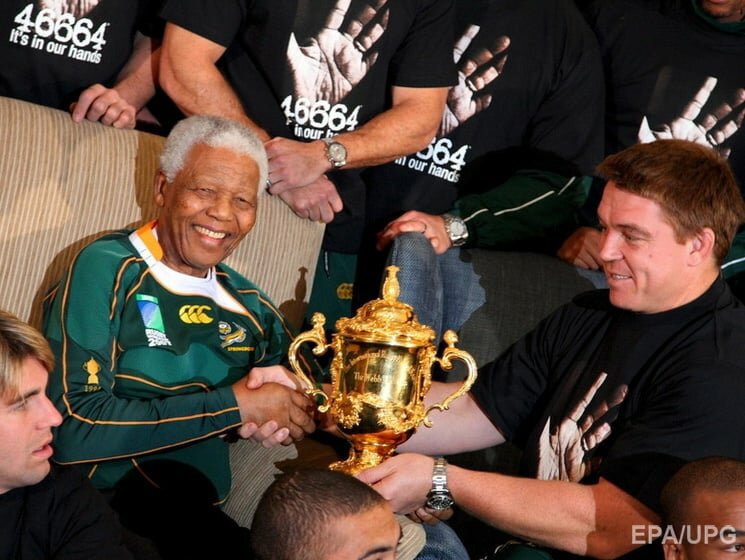
From Frik du Preez to Bryan Habana, South African rugby has produced some of the game's greatest players across multiple eras. These legends defined excellence in their positions, setting standards that inspire current generations. Their collective achievements built the Springbok mystique that makes opponents apprehensive and supporters proud. Understanding this legacy provides context for appreciating current players like Eben Etzebeth and Siya Kolisi who add their chapters to this ongoing story.
The Early Giants
Frik du Preez, considered by many as rugby's greatest lock, dominated in the 1960s and 70s. His combination of size, skill, and rugby intelligence set templates that modern second-rowers still follow. Danie Craven's influence extended beyond playing career to coaching and administration, shaping South African rugby philosophy for generations. These pioneers established traditions that subsequent players inherited and enhanced.
The amateur era produced players whose commitment to rugby excellence despite minimal financial reward inspires modern professionals. They played for pride and national honor, creating legacies measured in memories rather than bank balances. This amateur ethos still influences South African rugby culture, where playing for the Springboks transcends mere employment.
Professional Era Stars
Joost van der Westhuizen revolutionized scrumhalf play, combining physicality with skill in ways that expanded the position's possibilities. His performances during the 1995 World Cup triumph showcased world-class abilities while his later battle with ALS demonstrated courage beyond rugby fields. His legacy encompasses both sporting excellence and human dignity.
Bryan Habana's try-scoring records speak to clinical finishing and sustained excellence across a decade-long international career. His speed and positional awareness made him virtually unstoppable in his prime, terrorizing defenses worldwide. Current speedsters like Cheslin Kolbe follow templates that Habana perfected, adapting his principles to their unique attributes.
Forward Legends
Os du Randt, the only player to win two World Cups as a playing member, epitomized Springbok forward power. His scrummaging ability devastated opponents while his longevity demonstrated professional dedication to fitness and technique. Modern props study his technique, recognizing that fundamental excellence never becomes outdated.
Victor Matfield's lineout mastery and rugby intelligence made him one of the game's premier locks. His partnership with Bakkies Botha created a second-row combination that dominated international rugby for years. Their 2007 World Cup success validated their status among rugby's elite, with performances that carried teams through crucial matches.
Backline Wizards
Naas Botha's goal-kicking and tactical kicking controlled matches in the 1980s, demonstrating that flyhalves could win games through kicking excellence alone. His influence on territorial strategies persists in modern Springbok game plans. Current kickers like Handre Pollard inherit this tradition of using the boot to control matches.
Percy Montgomery's versatility and goal-kicking reliability made him invaluable across a long international career. His ability to play fullback or flyhalf provided coaches with tactical flexibility while his temperament under pressure delivered crucial points in tight matches. The 2007 World Cup final showcased his value, with his goal-kicking proving decisive.
Honoring the Legends
South African Rugby's Hall of Fame formally recognizes these contributions, ensuring future generations understand the shoulders upon which current success stands. Annual inductions celebrate both recent retirees and historical figures whose achievements deserve broader recognition. These ceremonies connect past and present, maintaining institutional memory that grounds current players in tradition.
Modern players speak reverently about predecessors, understanding their responsibility to uphold standards these legends established. This respect for history creates continuity between eras, with each generation adding to the collective legacy rather than replacing what came before. The development systems that produced these legends continue functioning, ensuring future Hall of Fame inductees.
Legacy and Inspiration
These legends inspire not through nostalgia but through timeless principles they embodied—commitment to excellence, team-first mentality, and pride in representing South Africa. Current Springboks reference these figures when explaining what wearing the green and gold means, demonstrating how legacy shapes present attitudes. The standards these legends set create expectations that current players embrace rather than resent.